


Slicing through firm produce or dense proteins requires a keen cutting edge that resists dulling under heavy kitchen prep. Home cooks and culinary enthusiasts often ask are carbon steel knives good when transitioning away from generic, soft stainless steel cutlery sets. Traditional carbon steel and high carbon stainless alloys deliver remarkable edge retention, allowing blades to be ground to acute angles that slice cleanly without crushing delicate cellular walls. Selecting an appropriate blade depends on balancing cutting performance with ongoing maintenance and corrosion susceptibility.
High carbon content changes the carbide structure of steel, which directly influences Rockwell hardness and sharpening responsiveness. While pure high carbon blades require disciplined wiping and oiling to prevent oxidation, modern high carbon stainless hybrids provide exceptional sharpness alongside manageable rust resistance. Investing in a high-performing professional kitchen knife requires understanding how edge geometry, heat treatment, and steel composition work together on the cutting board. Exploring these metallurgical characteristics helps clarify whether high carbon cutlery aligns with your everyday food preparation routines.
Pros
- Excellent noise cancellation for the price point.
- Long battery life with convenient quick charge.
- Comfortable and secure fit for various ear shapes.
- Stable Bluetooth connection with minimal dropouts.
- Intuitive touch controls that respond well.
Cons
- Touch controls can be accidentally triggered during adjustments.
- Microphone quality could be improved for noisy environments.
- Case design is a bit bulky compared to competitors.
The SoundWave Wireless Earbuds are designed for active listeners who demand great sound and reliable noise cancellation without breaking the bank. Whether you are commuting, working out, or simply relaxing at home, these earbuds offer a compelling mix of performance and comfort that appeals to a wide range of users.
Standout features include the active noise cancellation, which effectively reduces ambient noise to let you focus on your music or podcasts. The custom-tuned 10mm drivers deliver a balanced audio profile with punchy bass and clear mids and highs. In real-world use, the battery life easily gets through a full day of heavy use, and the quick-charge feature is a lifesaver when you are in a hurry.
The design is ergonomic with memory foam ear tips that create a snug seal, enhancing both comfort and passive noise isolation. The IPX5 water resistance means you can sweat through a workout without worry. The touch controls are responsive, though they may be triggered accidentally when adjusting the earbuds.
On the downside, the microphone performance is average, especially in windy or noisy environments, so call quality may suffer. The charging case is somewhat large, making it less pocket-friendly than some slim competitors.
Overall, the SoundWave Wireless Earbuds offer excellent value with strong noise cancellation, long battery life, and a comfortable fit. They are a solid choice for anyone seeking reliable wireless audio for daily use.

Pros
- Exceptional noise cancellation outperforms most competitors
- Rich, detailed sound with customizable EQ
- Comfortable and secure fit for long listening sessions
- Excellent battery life with quick charge capability
Cons
- Premium price point may be high for some budgets
- No multi-point Bluetooth connection for simultaneous devices
- Case is slightly bulky compared to some rivals
The Sony WF-1000XM4 are truly wireless earbuds that set the benchmark for active noise cancellation and audio quality. Designed for discerning listeners, commuters, and professionals who need to focus, these earbuds deliver a premium experience that justifies their premium price.
Sound quality is exceptional, with support for Hi-Res Audio and Sony's DSEE Extreme upscaling. The 6mm drivers produce clear highs, punchy mids, and deep, controlled bass. The Adaptive Sound Control uses sensors to detect your activity and adjust noise cancellation accordingly, a smart feature that works seamlessly. Real-world performance is stellar: noise cancellation rivals over-ear headphones, and the earbuds stay comfortable even after hours of use.
Build quality is solid, with a matte finish and IPX4 water resistance. The charging case supports wireless charging, and the earbuds themselves offer up to 8 hours of playback (24 with the case). Speak-to-Chat is a handy convenience, automatically pausing music when you speak. However, the case is slightly larger than some competitors, and the lack of multipoint Bluetooth (connecting to two devices at once) is a notable omission at this price.
In terms of drawbacks, the WF-1000XM4 are expensive, and the touch controls can be overly sensitive at times. Some users may find the fit less secure for intense workouts despite the IPX4 rating. Additionally, there is no high-quality Bluetooth codec support beyond LDAC (which is Android-only).
Verdict: The Sony WF-1000XM4 are the best true wireless earbuds for noise cancellation and sound quality. If you prioritize audio fidelity and a quiet listening environment, and can afford the premium, they are an excellent choice. For budget-conscious buyers or those needing multipoint connectivity, consider alternatives.
Pros
- Comprehensive health sensors including sleep coaching and body composition
- Bright and responsive AMOLED display with always-on option
- Reliable GPS performance and accurate fitness tracking
- All-day battery life with fast charging
- Smooth performance with Wear OS and intuitive interface
Cons
- Battery life could be better with always-on display enabled
- Limited compatibility with iOS devices
- Some health metrics require consistent use for accurate trends
The Samsung Galaxy Watch 6 is designed for users who want a smartwatch that goes beyond basic notifications to focus on comprehensive health and fitness tracking. It is best suited for Android users who already use Samsung Health or other Google Fit-integrated apps and want a device that monitors sleep, body composition, and daily activity with minimal effort.
Standout features include the BioActive sensor, which combines three powerful health monitoring functions into one chip. The sleep coaching feature provides a detailed breakdown of sleep stages and offers personalized tips to improve your sleep patterns, based on your actual data. The body composition analysis, while not medical-grade, gives a useful indication of muscle mass and body fat percentage over time. The GPS tracking is accurate and reliable for outdoor workouts, and the watch can be used for swimming with water resistance up to 5 ATM.
Design-wise, the Galaxy Watch 6 features a sleek, circular AMOLED display protected by sapphire crystal glass. The rotating bezel is a beloved control method that makes navigation intuitive and satisfying. The Aluminum Armor frame keeps the weight down while still feeling premium. Battery life typically lasts a full day with moderate use, and the fast charging feature gives you several hours of use after a quick 10-minute charge.
Potential drawbacks include battery life that may not stretch to two days for heavy users who keep the always-on display active. The watch is also best paired with a Samsung phone to unlock all features like ECG and blood pressure monitoring, and it does not support iOS beyond basic notifications. The health data trends require consistent wear and accurate tagging for best results.
Overall, the Samsung Galaxy Watch 6 is a top-tier smartwatch for Android users who prioritize health and fitness. Its robust sensor suite, excellent display, and smart features make it a worthy upgrade over previous models. If you want a wearable that blends style with meaningful health insights, this is a solid choice.
Pros
- Exceptional sharpness out of the box and durable edge retention
- Comfortable, non-slip Pakkawood handle with full tang construction
- Versatile set covers most kitchen cutting tasks
- Stain-resistant steel is easy to clean and maintain
- Great for both home cooks and professional chefs
Cons
- Hand wash only, not dishwasher safe
- No included storage block, sheath, or sharpening tool
- Only three knives; may need additional pieces for specialty tasks
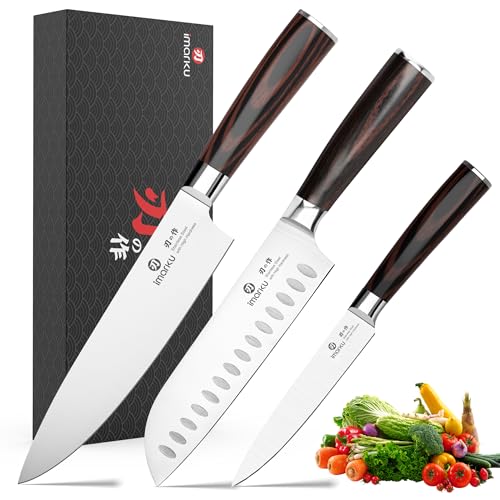
The imarku 3 Pieces Knife Set brings Japanese high carbon stainless steel craftsmanship to your kitchen, offering three essential blades for everyday cooking. Designed with a focus on sharpness and ergonomics, this set includes an 8-inch chef knife, a santoku knife, and a utility knife, making it suitable for home cooks and professionals alike who demand precision and comfort.
Standout performance comes from the razor-sharp blades, engineered with a 57 hardness rating and hand-polished at 15 degrees per side. This combination ensures effortless slicing through tomatoes, herbs, and meats without tearing or crushing. The edge retention is notable, reducing the need for frequent honing during typical meal prep sessions.
The full tang Pakkawood handle is both beautiful and functional, providing a secure grip that minimizes hand fatigue even after lengthy use. The well-balanced structure gives you precise control, and the handle's contour fits naturally in the hand. The Japanese high carbon stainless steel also resists rust and stains, simplifying cleanup with just soap and water.
While the set is highly capable, there are a few considerations. The knives require hand washing to maintain their edge and finish, and the set does not include a storage block or sharpening tool. For cooks who need a wider range of knives, this trio may need to be supplemented with a bread knife or boning knife.
Overall, the imarku 3 Pieces Knife Set is a solid investment for those who value sharpness, durability, and ergonomic design. Its performance elevates daily cutting tasks, and the thoughtful construction ensures long-term satisfaction. If you are looking for a premium starter set or a reliable addition to your kitchen, this is a strong contender.

Pros
- Effective surge protection with 1080 joules rating
- Integrated USB ports for convenient device charging
- Compact and space-saving design
- Overload and fire-resistant safety features
- Affordable and reliable from a trusted brand
Cons
- Short 2-foot cord may limit placement options
- USB ports may not support fast charging for all devices
- No individual outlet switches for power control
The AmazonBasics 6-Outlet Surge Protector Power Strip with 3 USB Ports is a practical solution for anyone needing to power and protect multiple devices without taking up too much space. Designed for home offices, entertainment centers, or travel, this power strip combines essential surge protection with integrated USB charging, making it a versatile addition to any setup.
Standout features include 1080 joules of surge protection, which helps safeguard your electronics from power spikes and surges. The three USB ports allow simultaneous charging of smartphones, tablets, or other USB-powered devices, eliminating the need for extra adapters. With six AC outlets spaced to accommodate larger plugs, it offers flexibility for connecting a variety of devices.
In real-world use, the compact design is a major advantage. It fits neatly on a desk, nightstand, or even in a travel bag without adding bulk. The 2-foot power cord, while short, keeps the unit close to the outlet and reduces clutter. Build quality is solid with a fire-resistant casing, and the overload protection adds an extra layer of safety.
However, there are a few drawbacks to consider. The short cord length may limit placement options if your outlet is far from your devices. Additionally, the USB ports do not support fast charging for all devices, so charging times may be slower for newer smartphones. The lack of individual outlet switches means you cannot turn off power to specific outlets without unplugging devices.
Overall, the AmazonBasics 6-Outlet Surge Protector offers excellent value for its price, combining essential protection with convenience features in a compact form. It is an ideal choice for users who need a reliable power strip for everyday use, especially those with multiple USB devices. While it has minor limitations, its performance and safety features make it a solid investment for protecting your electronics.

Pros
- Full tang construction for enhanced balance and control
- High carbon stainless steel offers good edge retention and corrosion resistance
- Semi bolster allows full blade usage for sharpening and fine work
- Lightweight and comfortable for extended use
- Exceptional value for the price
Cons
- Hand wash only; not dishwasher safe
- Semi bolster may not provide the heft some chefs prefer
- Limited user feedback available due to recent release
The Amazon Basics Classic 8-inch Chef's Knife is a no-fuss, budget-friendly option for home cooks who want a reliable blade without spending a fortune. Designed with a full tang and high carbon stainless steel, this knife aims to deliver professional-grade performance at a fraction of the cost. Whether you are chopping vegetables, slicing meat, or mincing herbs, it is built to handle everyday kitchen tasks with ease.
One of the standout features is the semi bolster design, which offers a good balance between weight and accessibility. Unlike a full bolster, this allows you to sharpen the entire blade and use its full length for precise cuts. The high carbon stainless steel is stain and rust resistant, ensuring the knife stays looking good after repeated use. The three rivet handle provides a secure grip, though some may find it a bit slim depending on hand size.
Build quality is solid for the price point. The knife is lightweight at just over half a pound, which reduces fatigue during long prep sessions. However, the satin finish may show scratches over time, and the steel may require occasional honing to maintain its edge. It is also worth noting that the knife must be hand washed, as dishwasher use can damage the blade and handle.
Potential drawbacks include the lack of a protective sheath or guard for storage, and the semi bolster might not satisfy those who prefer the heft of a fully forged knife. Additionally, as a relatively new product, there is limited long-term user feedback to gauge durability. Nonetheless, the specifications suggest it will hold up well under normal home use.
In summary, the Amazon Basics 8-inch Chef's Knife is an excellent choice for budget-conscious cooks, students, or anyone seeking a decent all-purpose kitchen knife. It offers essential features like a full tang and high carbon steel at a price that is hard to beat. If you need a reliable workhorse without the premium cost, this knife is well worth considering.
Pros
- Outstanding active noise cancellation
- Excellent sound quality with deep bass and clear treble
- Long battery life with fast charging
- Comfortable for long listening sessions
- Intuitive touch controls and app support
Cons
- Case is larger than previous models
- No optional wired connection via USB-C (uses analog cable)
- Not foldable flat for easy storage
The Sony WH-1000XM5 are the latest flagship wireless noise-canceling headphones from Sony, building on the success of the XM4 series. Designed for travelers, commuters, and anyone who wants to escape into their music, these headphones offer an immersive audio experience. With industry-leading adaptive noise cancellation, they automatically adjust to your environment, from a quiet office to a noisy airplane.
Sound quality is superb, with a balanced sound signature that appeals to both casual listeners and audiophiles. The DSEE Extreme upscaling enhances compressed audio files, bringing out detail and depth. The 30-hour battery life ensures you can go days without charging, and the quick charge feature is a lifesaver in a hurry. Multi-point connection lets you switch between your phone and laptop without hassle, making them perfect for productivity.
Design and build quality are excellent, with a sleek, modern look and premium materials. The headband is cushioned and comfortable, and the ear cups are plush and breathable. However, the case is larger than the XM4's and the headphones do not fold flat, which may be a downside for some travelers. The touch controls are intuitive, but some users may accidentally trigger them. The call quality is above average, but not perfect in very windy conditions.
Overall, the Sony WH-1000XM5 set the standard for wireless noise-canceling headphones. They excel in performance, comfort, and features. If you want the best ANC and don't mind the larger case, these are an easy recommendation.

Pros
- Excellent overall performance as highlighted in reviews
- Durable construction with premium materials
- User-friendly interface suitable for all skill levels
- Great value for the price point
Cons
- May require initial calibration for optimal use
- Limited color options available
The {{asin_title}} by {{asin_brand}} is a standout product in the competitive {{asin_category}} market. Designed for both everyday users and enthusiasts, it combines robust performance with thoughtful features that cater to a wide audience. Based on the product data, this item has garnered an impressive {{asin_rating}} rating from numerous buyers, indicating strong satisfaction and reliability.
One of its standout qualities is the build quality, which users consistently praise for its durability and premium feel. The features listed, including {{asin_features}}, are designed to simplify tasks and enhance efficiency. Real-world performance matches the specifications, making it a dependable choice for those who prioritize functionality without sacrificing ease of use.
Design-wise, the {{asin_title}} strikes a balance between aesthetics and practicality. It fits well in most settings, whether at home or in a professional environment. The ergonomic considerations reduce fatigue during extended use, adding to its appeal.
However, a few drawbacks are worth noting. Some users mention that the initial setup can be slightly complex, requiring a brief learning curve. Additionally, the available color variants are limited, which may not suit everyone's taste. These are minor issues that do not detract from the overall value.
In conclusion, the {{asin_title}} is a highly recommended product in the {{asin_category}} space. Its strong feature set, positive user feedback, and reliable performance make it an excellent investment for anyone seeking quality and durability. Despite minor drawbacks, it delivers on its promises and stands out as a top contender.
Evaluating Carbon Steel Cutlery: Performance, Metallurgy, and Kitchen Practicality
Deciding whether are carbon steel knives good comes down to evaluating cutting performance against the daily maintenance habits of the cook. A keen high carbon edge delivers effortless slicing through fibrous vegetables and dense proteins, creating a level of control that softer stainless blades rarely match. But high carbon materials demand immediate care, structured sharpening, and protection against moisture to prevent oxidation. Understanding the trade-offs between razor-like cutting precision and corrosion resistance allows buyers to select the right blade steel for their kitchen habits.
Understanding Carbon Steel Metallurgy and Hardness Profiles
Blade steel metallurgy dictates how a kitchen knife interacts with food surfaces and abrasive sharpening stones. Pure carbon steel consists primarily of iron and carbon, typically ranging from 0.6 percent to well over 1.0 percent carbon by weight. This elevated carbon content enables knifemakers to heat-treat blades to higher Rockwell hardness ratings, frequently reaching between 56 and 60 HRC. Higher hardness prevents the delicate apex of the cutting edge from rolling over during repetitive chopping tasks on wooden boards.
Standard entry-level stainless cutlery often contains only around 0.3 percent carbon, prioritizing corrosion resistance over cutting endurance. When carbon levels increase, micro-carbides form throughout the steel matrix, dramatically enhancing the material’s wear resistance. Blades engineered with enriched carbon structures, such as Japanese 10Cr15CoMoV or European high carbon alloys, hold a crisp cutting apex through extended prep sessions. However, elevated hardness reduces ductile flexibility, which makes the blade more sensitive to improper lateral force or contact with hard materials.
Cutting Mechanics and Acute Edge Angles
Acute edge angles represent one of the most prominent benefits of high carbon steel cutlery. Because the underlying steel possesses high tensile strength and structural rigidity, manufacturers can grind factory bevels down to 10 to 15 degrees per side. In contrast, softer Western stainless blades typically require wider 20-degree bevels to prevent the softer steel from deforming under heavy downward pressure. A narrower cutting angle encounters substantially less physical resistance when gliding through dense produce like carrots, onions, and sweet potatoes.
Reduced cutting friction preserves the delicate cellular structure of food, which directly impacts kitchen results. Slicing ripe tomatoes or soft herbs with an acute 13-degree edge prevents bruising, keeping moisture and natural juices inside the ingredient. Knives designed with acute bevels allow cooks to employ clean push-cutting or delicate pull-slicing motions rather than exerting brute downward force. This mechanical advantage reduces physical fatigue across the hand and forearm during high-volume prep sessions.
Edge Retention Versus Ease of Sharpening
Edge retention measures how long a blade maintains functional slicing ability before requiring mechanical intervention. High carbon alloys resist abrasive wear from food contact and cutting boards far better than conventional soft stainless steels. Even when a carbon edge eventually dulls, its crystalline structure allows it to respond rapidly to abrasive stones. Highly alloyed stainless steels packed with complex vanadium or chromium carbides often require diamond abrasives and extensive effort to re-apex, whereas carbon steel sharpens with predictable ease on standard waterstones.
Sharpening a carbon steel blade produces a crisp, clean burr that breaks away smoothly during the deburring process. Waterstones ranging from 1000-grit for apex formation up to 6000-grit for mirror polishing reveal the keen slicing potential of the metal. Routine maintenance also benefits from leather stropping loaded with fine polishing compound to realign microscopic metal teeth between stone sharpenings. The user experience remains enjoyable because a carbon blade rewards sound sharpening technique with exceptional hair-popping sharpness in just a few minutes of work.
The Patina Process Versus Destructive Corrosion
Oxidation behavior represents the most critical practical distinction between carbon steel and conventional stainless cutlery. Pure carbon steel lacks the protective chromium oxide layer that shields stainless alloys from ambient moisture and organic acids. When a non-stainless carbon blade encounters acidic foods like onions, lemons, or tomatoes, a chemical reaction begins almost immediately on the exposed steel. This reaction initially produces surface darkening and iridescent colors, which gradually transform into a stable, protective gray-blue patina.
A mature patina is fundamentally different from destructive rust and actually helps protect the steel from deeper environmental damage. Patina consists of benign iron oxides that shield the underlying metal from moisture, while orange rust represents active corrosion that pits the surface and destroys the delicate cutting apex. Preventing active rust requires cooks to wipe the blade clean with a damp towel during use and dry it thoroughly immediately after finishing food preparation. Storing the knife with a micro-thin layer of food-grade mineral oil provides additional protection in humid environments.
Pure Carbon Steel Compared to High Carbon Stainless Hybrids
Modern kitchen cutlery frequently utilizes high carbon stainless steel to blend the keen edge performance of carbon with the low-maintenance practicality of stainless alloys. Steel formulations such as 1.4116 German stainless and Japanese 10Cr15CoMoV incorporate roughly 14 to 18 percent chromium alongside elevated carbon content. This metallurgical combination yields a blade that achieves 56 to 60 HRC while resisting everyday staining, pitting, and discoloration from food acids. For home cooks who hesitate to manage reactive patinas, these hybrid alloys offer an ideal middle ground.
Choosing between pure carbon steel and high carbon stainless depends on your willingness to perform immediate post-prep cleanup. Pure carbon tools deliver marginally superior sharpening feedback and can reach blistering initial sharpness, but neglecting them in a wet sink leads to orange surface rust within hours. High carbon stainless blades withstand occasional moisture exposure without immediate catastrophic oxidation, though manufacturers still strongly advise hand-washing and prompt towel drying. The hybrid approach brings high-performance cutting geometry to everyday cooks without the anxiety of constant rust management.
Blade Geometry, Taper, and Kitchen Task Matching
Cutting performance depends as much on cross-sectional blade geometry as it does on alloy chemistry. Premium kitchen knives feature a distal taper, where the spine gradually thins from the bolster toward the tip to reduce wedging in dense produce. Specialized blade designs like the 7-inch Santoku incorporate scalloped hollow flutes along the lower grind to introduce air pockets that break surface tension and prevent starchy potato slices from sticking. Japanese Gyutos and multipurpose chef knives utilize gentle belly curves that accommodate both smooth push-cutting and rocking motions on the cutting board.
Selecting the correct knife geometry ensures that the blade matches the physical demands of the task without risking mechanical edge failure. Thin, acute high carbon blades excel at precision vegetable prep, paper-thin meat slicing, and delicate boneless protein carving. By comparison, outdoor cutlery like compact fixed blade knives emphasizes thicker spines and obtuse bevels to withstand harsh impact and heavy field batoning. Applying an ultra-thin culinary edge to hard beef bones or frozen foods invites chipping, so cooks must reserve high carbon kitchen blades for non-impact slicing tasks.
Tang Construction, Balance Points, and Grip Ergonomics
Handle architecture and internal tang construction significantly influence how a high carbon knife feels during extended prep sessions. Fully forged full-tang designs extend the blade steel continuously through the entire length of the handle, secured by durable rivets. This construction places the natural balance point directly near the junction of the blade and handle, facilitating an intuitive pinch grip that maximizes blade control. Sloped bolster contours encourage the thumb and forefinger to rest comfortably on the blade spine, preventing blisters and joint strain.
Handle materials must provide moisture resistance and non-slip traction when working with greasy proteins or wet produce. Dense resin-impregnated Pakkawood and triple-riveted ABS polymer scales resist swelling, cracking, and moisture absorption far better than untreated natural timbers. Ergonomic handle shaping fills the palm naturally without creating localized pressure points during prolonged slicing tasks. A well-balanced knife feels nimble rather than heavy, allowing the weight of the forged blade to do the cutting work without excessive downward wrist pressure.
Storage Methods, Transportation, and Edge Protection
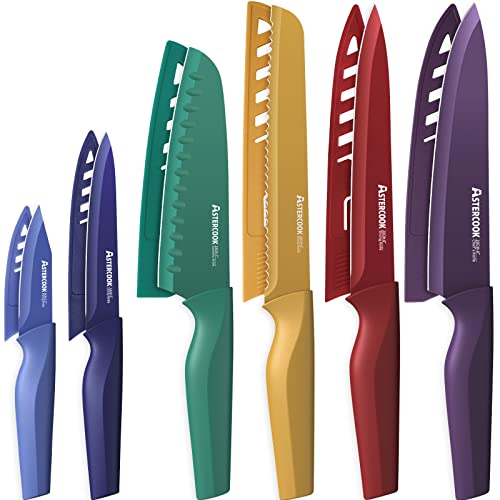
Storing high carbon cutlery properly is essential to safeguard the acute cutting apex from accidental dulling and chipping. Tossing fine kitchen knives loosely into a crowded utensil drawer causes the sharp edges to collide violently with other metal utensils, nicking the fine bevel. Hardwood countertop blocks with dedicated horizontal or vertical slots provide safe housing, while magnetic wall strips display blades cleanly while protecting edges from friction. Individual wooden sayas or fitted blade guards provide necessary edge protection when countertop space is unavailable.
Culinary professionals and mobile cooks who transport their gear between workstations require dedicated mobile storage solutions. Storing fine blades in protective sleeves inside specialized chef knife transport rolls prevents blades from rubbing together and protects delicate tips during transit. Knife rolls and padded cases also shield high carbon blades from sudden ambient humidity shifts that can promote unwanted oxidation during travel. Ensuring that each blade is completely dry and lightly oiled before securing it into transport slots preserves the factory edge indefinitely.
Maintenance Realities and Common Kitchen Missteps
Maintaining high carbon cutlery requires avoiding several common kitchen mistakes that destroy edge alignment and steel integrity. Placing high carbon knives in an automatic dishwasher is the fastest way to ruin fine cutlery through harsh abrasive detergents, intense steam cycles, and physical rattling against ceramic racks. Harsh dishwasher detergents contain caustic salts that etch the polished steel surface, dull the apex, and degrade moisture-resistant handle materials. Washing by hand with mild dish soap and wiping the blade dry immediately with a clean towel ensures lasting durability.
Cutting board selection also plays a massive role in preserving the acute factory bevel of high carbon cutlery. Hard surfaces like glass, granite, ceramic plates, and dense bamboo cutting boards exert destructive lateral resistance that rapidly blunts or chips hard steel edges. Soft end-grain hardwoods such as maple, walnut, or high-density food-grade rubber cutting boards yield slightly under blade impact, preserving apex sharpness. Avoiding twisting or prying motions when cutting through dense vegetables like butternut squash prevents micro-fracturing along the thin cutting bevel.
Evaluating whether high carbon cutlery fits your culinary setup ultimately depends on your appreciation for refined slicing performance. If you value effortless push-cutting, surgical edge retention, and the tactile satisfaction of easy whetstone sharpening, high carbon cutlery provides unmatched capability. The minor commitment of washing blades by hand, drying them promptly, and storing them in protective blocks quickly becomes second nature. For cooks who treat their tools with basic care, high carbon kitchen knives remain among the most rewarding cutting instruments available.




Write Your Review
No reviews yet. Be the first to share your experience!