


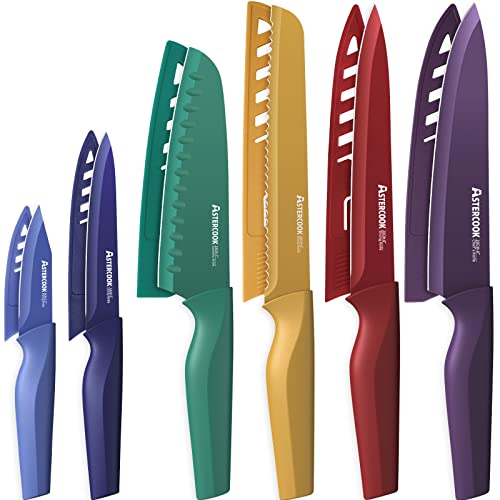
Seasoned culinary enthusiasts often wonder whether heirloom metals belong over modern burners or open hearths. When examining whether is wrought iron good for cooking, understanding the metallurgical difference between cast alloys, carbon steel, and fibrous iron is critical. True wrought iron contains very low carbon and fibrous slag inclusions, which makes it remarkably ductile and resistant to sudden thermal shock. Cooking directly on modern decorative wrought iron, however, presents distinct safety risks due to synthetic paints, protective clear coats, and industrial surface sealants. Preparing meals near high-heat open flames requires pairing the right cookware with balanced professional kitchen cutlery that withstands rigorous daily food preparation.
Functional hearth accessories, heavy woodstove trivets, and dietary iron infusion tools provide safe ways to integrate wrought iron craftsmanship into meal preparation. Dedicated cookware racks, such as hanging rails and heavy cookbook holders, keep essential prep areas organized while protecting fine cutting edges from countertop clutter. Storing delicate blades in dedicated knife storage backpacks or hanging them safely away from hot cast metals prevents accidental edge nicks and moisture damage. Determining if an iron piece suits culinary tasks requires verifying food-grade finishes, assessing heat conductivity, and recognizing when modern carbon steel offers superior cooking performance. Proper metal maintenance ensures that hearth tools and cutting gear remain safe, clean, and free of corrosive oxidation over years of kitchen use.






Everything You Need to Know About Wrought Iron in the Kitchen
Culinary history reveals a wide variety of metals used for hearth fire, simmering broths, and searing meats. True wrought iron was historically shaped by blacksmiths into cooking implements, but modern kitchens operate under vastly different manufacturing and safety standards. Asking whether wrought iron works well for food preparation requires distinguishing between structural kitchen equipment, decorative fireplace accessories, and true food-grade cooking vessels. Examining the thermal behavior, chemical coatings, and maintenance requirements of wrought iron clarifies how to utilize this metal safely in contemporary homes.
Direct Answer: Is Wrought Iron Safe and Effective for Cooking?
Direct cooking on genuine, untreated wrought iron is non-toxic because elemental iron does not release harmful chemical vapors when exposed to heat. The primary obstacle today is that authentic wrought iron cookware is virtually nonexistent in commercial retail stores. Most items marketed as wrought iron are ornamental mild steel pieces treated with decorative paints, rust inhibitors, or clear varnishes that are hazardous when heated. Placing food directly on an ornamental wrought iron grill or using painted hearth tools for food manipulation can contaminate meals with heavy metal residues and toxic chemical off-gassing. Cooks should only prepare food in vessels explicitly labeled as food-safe forged iron, seasoned cast iron, or culinary carbon steel.
Authentic wrought iron behaves somewhat differently from cast iron when subjected to open stovetop burners. Its low carbon content makes it ductile, meaning it can be hammered thin without cracking, yet it heats unevenly compared to modern copper or clad aluminum. Without an established protective seasoning layer, bare wrought iron reacts rapidly with acidic ingredients like tomatoes, vinegar, and citrus juices. This reactive chemical interaction imparts an unpleasant metallic taste to delicate dishes and discolors lighter sauces. When properly seasoned with polymerized cooking oil, however, bare forged iron vessels can provide an effective, naturally slick cooking surface.
Metallurgical Breakdown: Wrought Iron Compared to Cast Iron and Carbon Steel
Understanding how ferrous metals behave under heat requires a basic look at carbon composition and internal crystalline structure. Cast iron contains between two and four percent carbon, which makes the metal exceptionally hard but brittle and prone to cracking under sudden temperature drops. True wrought iron contains less than zero point zero eight percent carbon, combined with fibrous slag stringers that provide high tensile strength and malleability. Carbon steel sits comfortably in between, containing roughly zero point five to one percent carbon, making it the preferred standard for professional culinary skillets. Because wrought iron possesses a fibrous grain rather than a granular crystalline matrix, it resists mechanical fractures from heavy impacts far better than brittle cast pans.
Thermal properties also differ significantly across these three iron-based kitchen materials. Cast iron possesses substantial mass and thermal density, allowing thick skillet walls to retain heat and maintain steady temperatures when cold steaks are added. Wrought iron pieces are generally hammered thinner, meaning they heat up much faster but lose their stored thermal energy just as quickly when removed from the flame. Carbon steel shares this rapid thermal responsiveness while offering a smoother, less porous surface that accepts culinary seasoning more uniformly. Home cooks searching for the rustic look of wrought iron typically discover that hand-forged carbon steel pans deliver the exact cooking performance they desire without metallurgical inconsistencies.
Decorative Coatings and Toxic Finish Hazards on Ornamental Iron
The greatest health hazard associated with decorative wrought iron stems from modern industrial manufacturing finishes. Manufacturers design ornamental items like candleholders, woodstove accessories, and outdoor furniture to resist outdoor corrosion rather than to contact food safely. These items frequently receive electrostatic powder coatings, synthetic black lacquers, and chemical rust inhibitors containing volatile organic compounds. Exposing these industrial coatings to direct kitchen flame or high woodstove heat causes toxic fumes to off-gas into the living space. Also, burning chemicals can migrate directly into meat or bread placed on decorative grates, posing serious ingestion hazards.
Vintage and antique iron implements present their own distinct health considerations that require careful inspection. Many historic iron pieces were coated in lead-based paints or used in industrial environments where toxic chemical residues accumulated over decades of use. Stripping an antique wrought iron object with wire wheels or sandblasting will not always remove deep-seated contaminants trapped within porous surface slag. Before using any antique iron tool near food, testing the surface with an EPA-recognized lead testing kit is an essential culinary safety precaution. When in doubt, decorative iron antiques should remain display pieces rather than functional food contact surfaces.
Dietary Supplement Tools and Heavy Hearth Kitchen Accessories
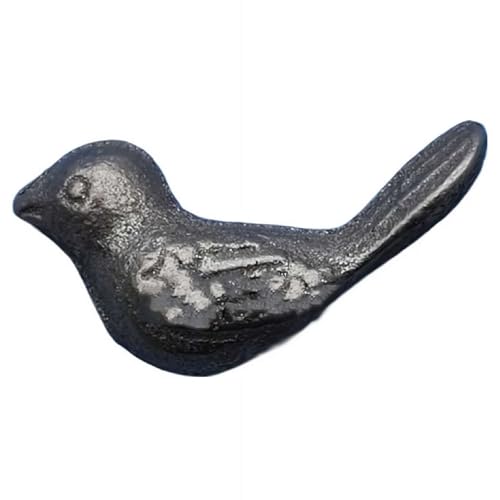
While frying pans made from pure wrought iron are rare, iron tools still play a vital, targeted role in modern food preparation. Reusable iron cooking tools, such as dietary iron fish or bird shapes, are specifically manufactured from food-grade iron to combat nutritional anemia. Boiling these bare iron shapes in slightly acidic water or soup broth releases small, bioavailable amounts of dietary iron into the liquid without harmful chemical impurities. Unlike decorative ironcraft, these dietary tools undergo strict food-contact safety screening to ensure the absence of lead, cadmium, and arsenic. They demonstrate that bare, clean iron can safely interact with boiling liquids when pure elemental composition is guaranteed.
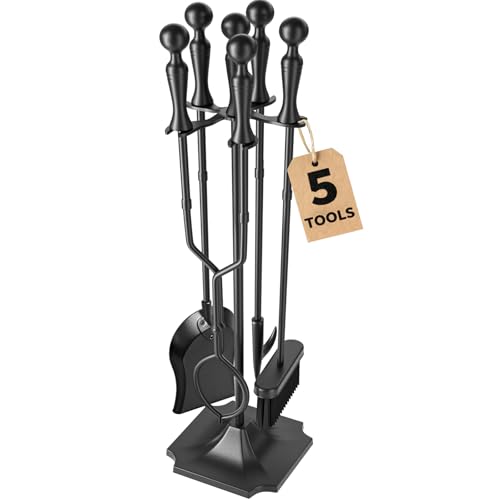
Structural wrought iron accessories also excel at organizing and supporting cooking stations without directly contacting food. Heavy-duty woodstove trivets, like the Minuteman International clover model, protect sensitive kitchen countertops and tabletops from scorching hot cookware. Sturdy iron cookbook stands and heavy recipe easels hold fragile paper books and electronic tablets upright, keeping them safe from kitchen spills and grease splatters. Wall-mounted utensil hanging rails, such as the Famiron black iron rack, organize ladles, spatulas, and skimmers while maximizing limited counter space. For hearth cooking enthusiasts, fireplace tools from AMAGABELI Garden and Home, including log grates and iron pokers, safely manage live wood coals without melting or warping under fierce heat.
Workstation Ergonomics and Knife Edge Protection Around Iron Gear
Integrating heavy iron tools into a cooking prep space requires thoughtful layout to prevent damaging fine cutlery. Modern culinary blades made from high-hardness stainless or carbon steels possess thin, acutely ground cutting edges that are vulnerable to impact damage. Striking a delicate chef knife edge against a solid wrought iron hanging rail, pan rack, or woodstove trivet can instantly cause micro-chipping or severe apex rolling. Cooks should position cutting boards well clear of iron storage racks to avoid accidental blade collisions during fast chopping sessions. Organizing food prep zones with adequate spatial clearance protects expensive kitchen knives and ensures fluid, unobstructed kitchen movement.
When outfitting high-heat hearth cooking environments, pairing rugged tools with reliable cutting implements creates an efficient workflow. Hearthside cooks frequently utilize compact fixed blade knives to trim roasts, slice kindling, and manage outdoor prep tasks where folding mechanisms might collect dirt and soot. Cooking near intense fire pits also requires selecting cutlery built with durable knife handle materials that resist thermal degradation and moisture warping. Natural materials like stabilized bone and dense composite scales hold up admirably near warm hearth environments while offering a secure grip during butchery prep. Keeping high-hardness cutting edges separated from coarse iron surfaces preserves factory bevel angles and minimizes time spent at the sharpening bench.
Cooktop Compatibility: Induction, Gas Burners, and Glass Stoves
Ferrous metals naturally interact with modern induction cooktops due to their strong magnetic permeability. Pure wrought iron and forged carbon steel activate electromagnetic induction coils instantly, generating rapid and focused heat directly within the pan base. On open gas ranges, forged iron vessels disperse flame heat across the bottom, though thin metal walls can produce localized hot spots over narrow burner rings. Campfire cooking and outdoor woodstove setups represent the natural habitat for rugged ironware, where direct ember contact will not damage durable forged metal. Cooking over varying heat sources requires understanding how base thickness influences heat distribution and warp resistance.
Care must be exercised when placing heavy, hand-hammered iron items on delicate smooth glass or ceramic induction surfaces. The textured, slightly irregular bottoms of forged iron cookware and heavy woodstove trivets can easily abrade, scuff, or shatter fragile tempered glass cooktops. Cooks should never slide rough-bottomed iron pans across electric glass ranges, lifting them completely instead when repositioning over the element. Verifying that an iron skillet sits completely flat prevents uneven contact, heat loss, and dangerous rocking during vigorous sautéing. Selecting smooth-machined cast iron or flat-ground forged carbon steel protects fragile kitchen glass while maintaining peak magnetic heating efficiency.
Seasoning Procedures and Rust Prevention for Culinary Iron and High-Carbon Steel
Maintaining bare iron equipment requires creating a resilient seasoning barrier through the deliberate polymerization of food-safe oils. When unsaturated cooking fats such as grapeseed, flaxseed, or sunflower oil are heated past their smoke points on bare iron, they bond into a hard polymer layer. This natural coating shields elemental iron from ambient oxygen and moisture, effectively stopping orange rust formation before it starts. Applying three to four micro-thin coats of oil and baking the piece in an oven establishes an exceptional foundation for daily cooking. A well-seasoned iron or carbon steel skillet naturally releases fried eggs and seared proteins without requiring synthetic non-stick chemical coatings.
Cleaning seasoned iron implements requires gentle washing techniques that preserve the hard-won polymer patina. Cooks should clean warm iron cookware using hot water, a non-abrasive brush, and a small drop of mild dish soap when necessary. Harsh lye-based oven cleaners and abrasive steel wool pads will strip the delicate protective seasoning down to bare, reactive metal. After washing, heating the iron vessel on a low burner evaporates trapped microscopic water droplets from surface crevices. Rubbing a few drops of neutral food-grade mineral oil or refined cooking fat onto the warm surface seals the metal during cabinet or pantry storage.
Buying Guide: Selecting Food-Safe Hearth and Kitchen Ironware
Shoppers evaluating iron kitchen gear must distinguish between direct food-contact tools and non-contact architectural hardware. When purchasing skillets, griddles, or Dutch ovens, look for products certified specifically as forged carbon steel or pre-seasoned culinary cast iron. Manufacturers dedicated to culinary cookware explicitly state that their products are free of lead, industrial paints, and toxic clear lacquers. High-quality forged steel skillets often feature hand-hammered textures reminiscent of traditional blacksmithing while meeting rigorous international food contact standards. Investing in verified culinary ironware ensures exceptional heat performance without compromising family health through unvetted industrial finishes.
For secondary kitchen support tools, structural build quality and finish durability are the most critical selection criteria. Hearth accessories, log grates, and woodstove trivets should feature solid steel bar construction with heavy-duty welds capable of supporting heavy Dutch ovens. Utensil hanging rails and cookbook stands require secure wall mounting brackets and balanced bases to withstand daily kitchen bumping without toppling. Ensure that any wrought iron item placed near food preparation surfaces has a smooth, well-cured finish that will not flake into ingredients. Choosing purpose-built tools from reputable manufacturers guarantees reliable service, aesthetic charm, and safety across both indoor kitchens and rustic outdoor hearths.
Balancing historical craftsmanship with modern health standards allows home cooks to enjoy the beauty and durability of iron without unnecessary risks. Pure wrought iron remains a legendary structural metal, yet modern food-grade carbon steel and cast iron offer safer, more predictable performance for active stovetop cooking. Utilizing wrought iron for robust cookbook stands, protective woodstove trivets, and hearth tools adds rustic elegance to any kitchen setup. By verifying food-grade finishes, applying proper oil seasoning, and protecting fine cutlery edges from hard metal impacts, cooking enthusiasts can master fire and iron with absolute confidence.




Write Your Review
No reviews yet. Be the first to share your experience!